When people ask me why modern delivery still feels slow—despite cloud, DevOps, microservices, automation, and platform engineering—I don’t start with architecture diagrams. I start with everyday human moments. Because after years of working across digital transformation and testing initiatives, one lesson has stuck with me:
Success rarely collapses because of technology. It collapses because of coordination.
Not the big, flashy kind—just the quiet, everyday kind: timing, ownership, readiness, clarity.
I learned this the hard way, not in a lab, but in rooms where talented teams kept missing each other by inches.
“A dinner party that had everything – except a plan”

Just imagine you are hosting a dinner where everyone brought something great. Except dessert arrived before the mains, the oven was late, two guests duplicated the same dish, and a dietary requirement surfaced at the table.
No villains. Just misaligned timing and unspoken assumptions.
I’ve seen the same pattern in delivery: brilliant engineers, modern toolchains, generous budgets—and still, release windows slip. Not because anyone is incapable, but because the interstitial layer—the way pieces come together—isn’t actively owned.
Airports, the masters of choreography… until one link isn’t ready
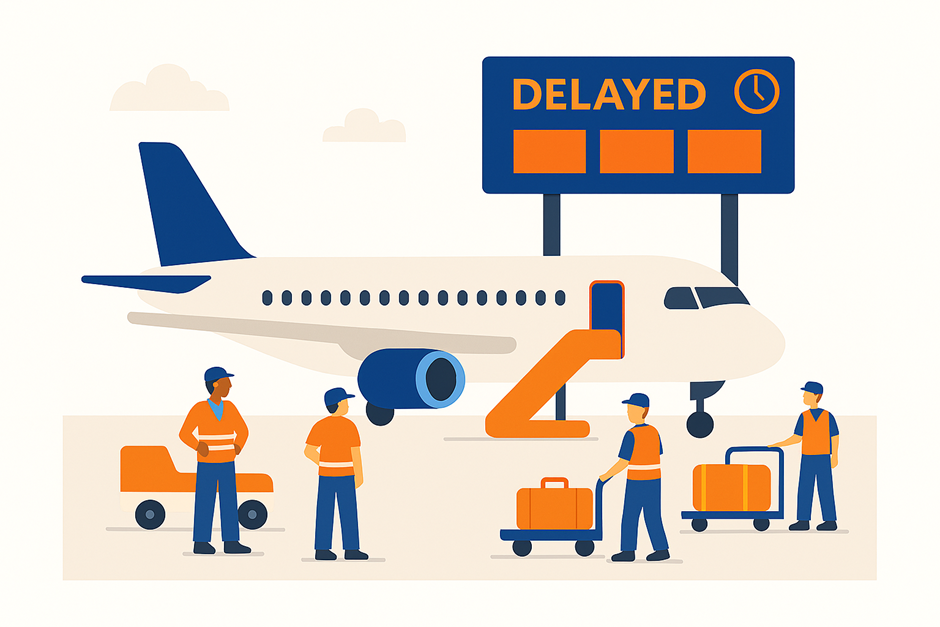
Airports are engineering marvels. Yet one late inbound, a missing crew roster, or a baggage delay can hold a plane full of people on the tarmac.
In delivery, we feel the same thing: one environment out of sync, one dataset not refreshed, one configuration drift—and suddenly the sprint is blocked. The system is fine in parts; it stalls at the joins.
The IKEA moment: when the sequence is the real problem

We’ve all built furniture with perfect parts and clear instructions—only to put Panel A upside‑down because Step 5 needed to happen before Step 2.
Modern stacks have superb components (cloud resources, IaC, CI/CD, observability, data platforms). Yet delays creep in when sequence, dependencies, and readiness are not orchestrated together.
The school run: tiny misses, outsized impact

The school run is a masterclass in how small frictions add up: lost shoes, empty fuel, packed lunch still in the fridge. Each is minor; together, they derail the morning.
In delivery, it’s a minor version mismatch here, a last‑minute booking clash there, a data refresh that “nearly happened.” Individually small. Collectively expensive.
“I thought you booked it” (and other ownership mirages)
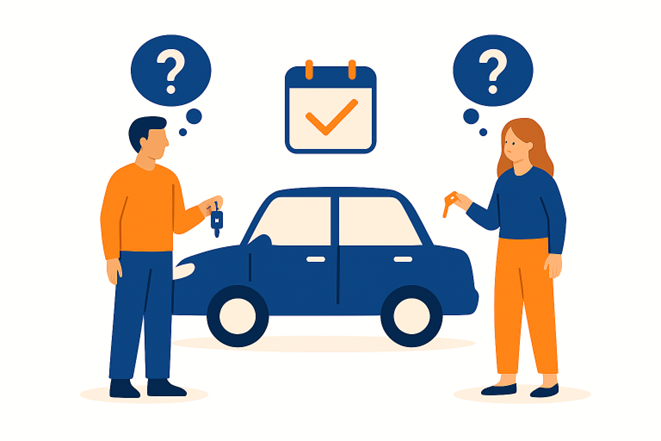
Two people assume the same car is free at 8am. Nobody checked the calendar. Everyone’s late.
We recreate this daily with environments: teams assume availability, assume someone refreshed the data, assume a deployment window exists. Assumptions multiply where visibility is weak.
The paradox of modern IT
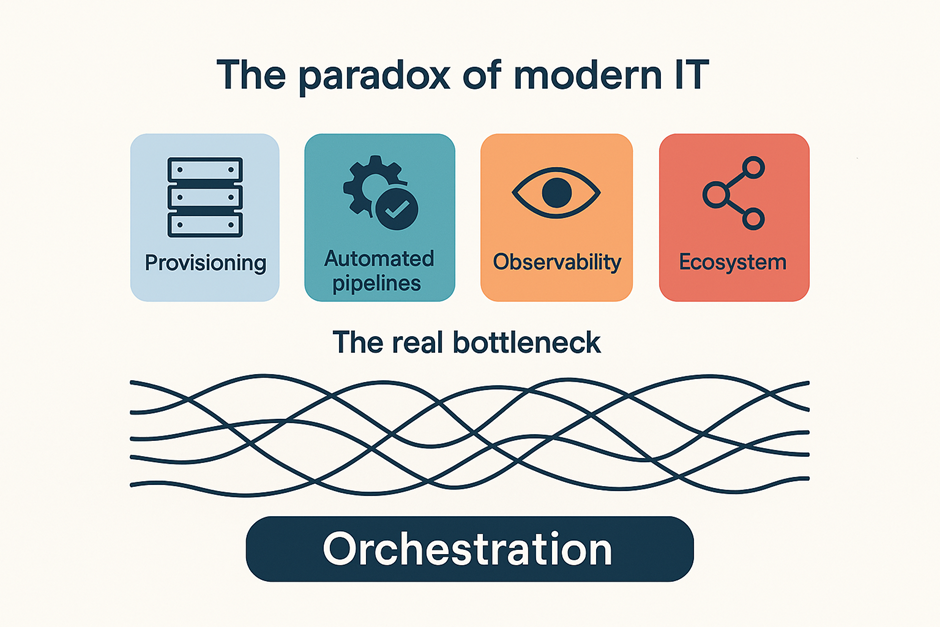
We’ve accelerated provisioning, automated pipelines, improved observability, and shifted cost from CAPEX to OPEX. Yet the ecosystem these parts live in is more complex than ever. Tooling does what it promises in isolation. The real bottleneck now is orchestration: aligning ownership, usage, sequence, configuration, and data across many teams and platforms.
That orchestration is not a tool. It’s a capability.
When it’s weak or undefined, even the shiniest stack behaves unpredictably. When it’s strong, speed and quality stop competing.
The invisible capability (that rarely gets a line in the budget)
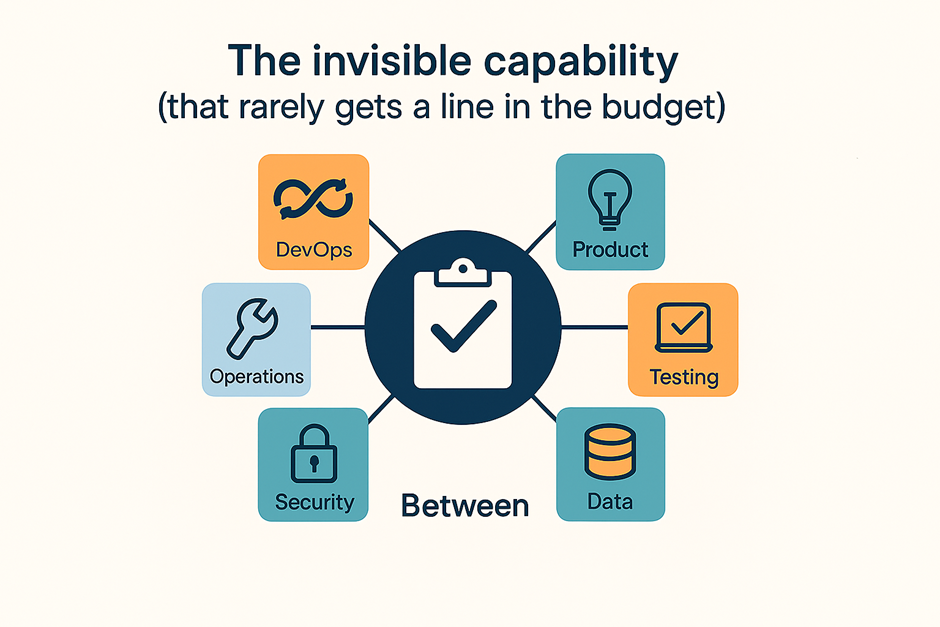
Every successful transformation I’ve seen quietly depended on a function that sits between DevOps, product, testing, data, security, and operations. It:
- makes ownership explicit
- aligns timing and sequence
- prevents collisions and double‑bookings
- keeps environments and data ready
- exposes configuration drift early
- gives everyone the same view of what’s available, when, and in what state
When this capability is present, delivery feels… calm. Predictable. Professional.
When its missing, people work harder and get less.
We don’t need more tools to fix this. We need to own this layer deliberately.
Discover how structured Test Environment Management can help. Learn more about TEM best practices
My closing thought

Over the years, I’ve stopped expecting miracles from tools and started expecting discipline from the joins. The human world tells us this every day at dinner tables, in busy airports, during school runs, even on the living‑room floor with an Allen key.
The pieces are not the problem. How the pieces meet is the problem.
Make that meeting your superpower—and everything else starts to work the way it always should have.
A simple self‑check I use with teams
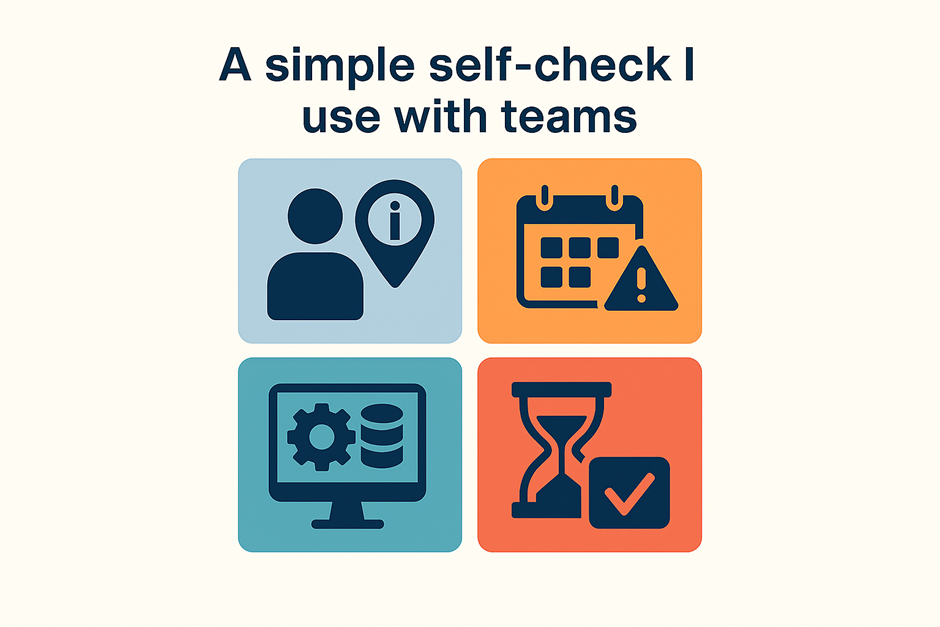
Without naming any specific discipline, ask your programme these five questions:
- Can we see who owns every non‑production environment—and contact them instantly?
- Do we know, today, which teams are using which environments, for what, and when conflicts will occur?
- Can we provision or repurpose an environment in hours—not days—with the right data?
- Do we detect configuration drift automatically (and does someone resolve it)?
- Are deployment windows and test data refreshes visible, booked, and honoured?
If you can answer “yes” to at least four, you’re probably ahead of the pack. If not, you don’t have a technology problem—you have an orchestration problem disguised as a technology problem and, it’s time to assess your TEM maturity. Take our free TEM survey today and unlock practical recommendations to improve your software delivery process.
Test Environment Management isn’t just about tools—it’s about a strategic enabler that fosters alignment, visibility, and collaboration across the software delivery lifecycle. Whether you’re a tester, developer, project manager, or business stakeholder, TEM empowers every role to work toward a common goal: delivering quality software, faster and smarter.
By resolving common pain points—like environment conflicts, manual setup, data refresh delays, and resource underutilisation—TEM transforms delivery from reactive firefighting to proactive flow. It enables automation, optimises resource allocation, and enhances cross-team coordination.


Leave a Reply